Profile · Analyse · Decide · Transfer

Find the limiter before training the system.

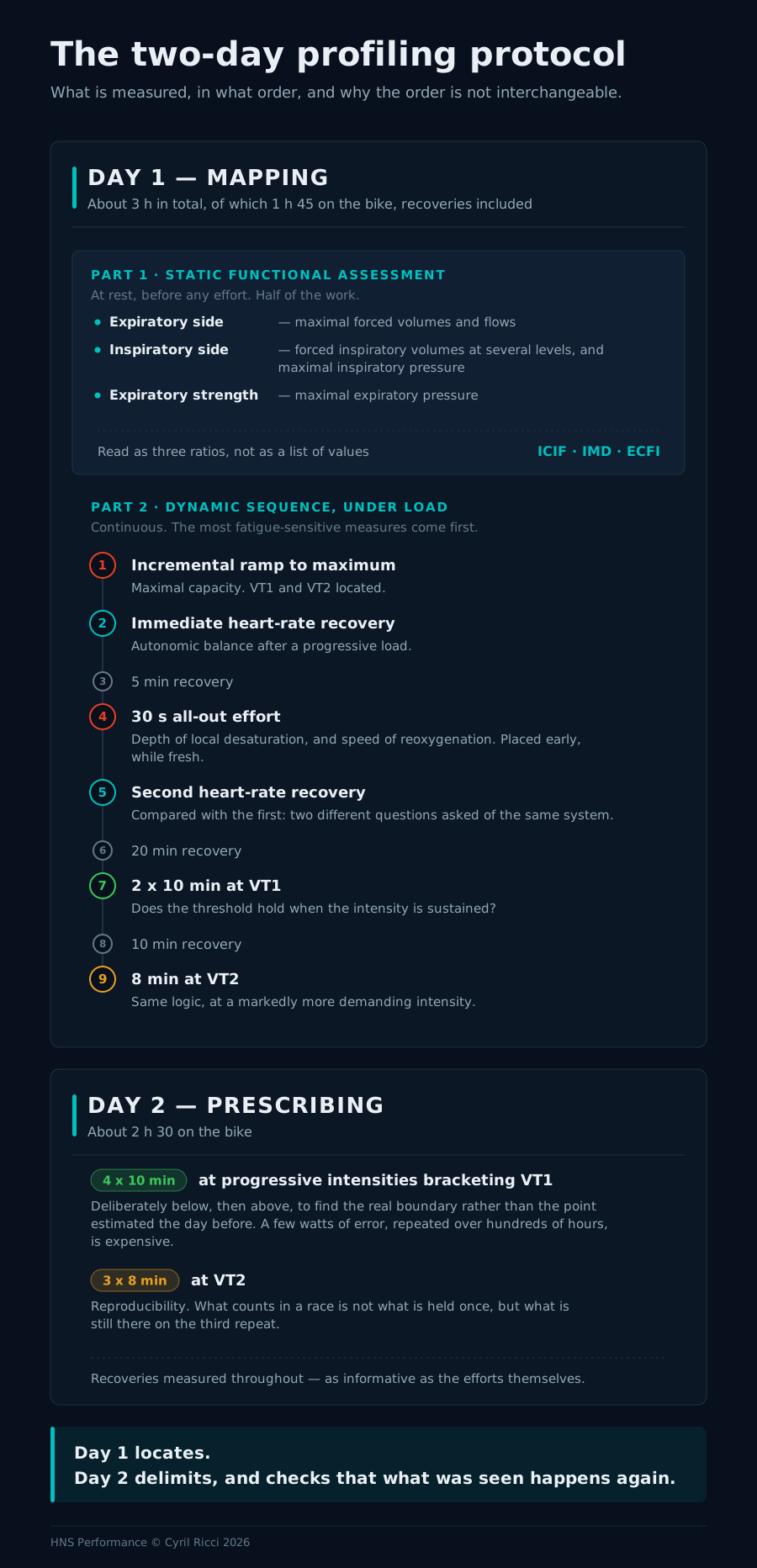
Two days to distinguish ventilatory capacity from ventilatory use, verify the signal in the field and decide whether VST is genuinely worth pursuing for that rider.

Performance analysis — not medical diagnosis.Any functional finding with clinical relevance requires interpretation by qualified medical staff.
2 dayscontrolled profile + ecological validation
T0a documented baseline before any intervention
1 decisionpriority · secondary · not indicated

Why profile first

Ventilation is not one number—and a large capacity is not automatically an efficient strategy.

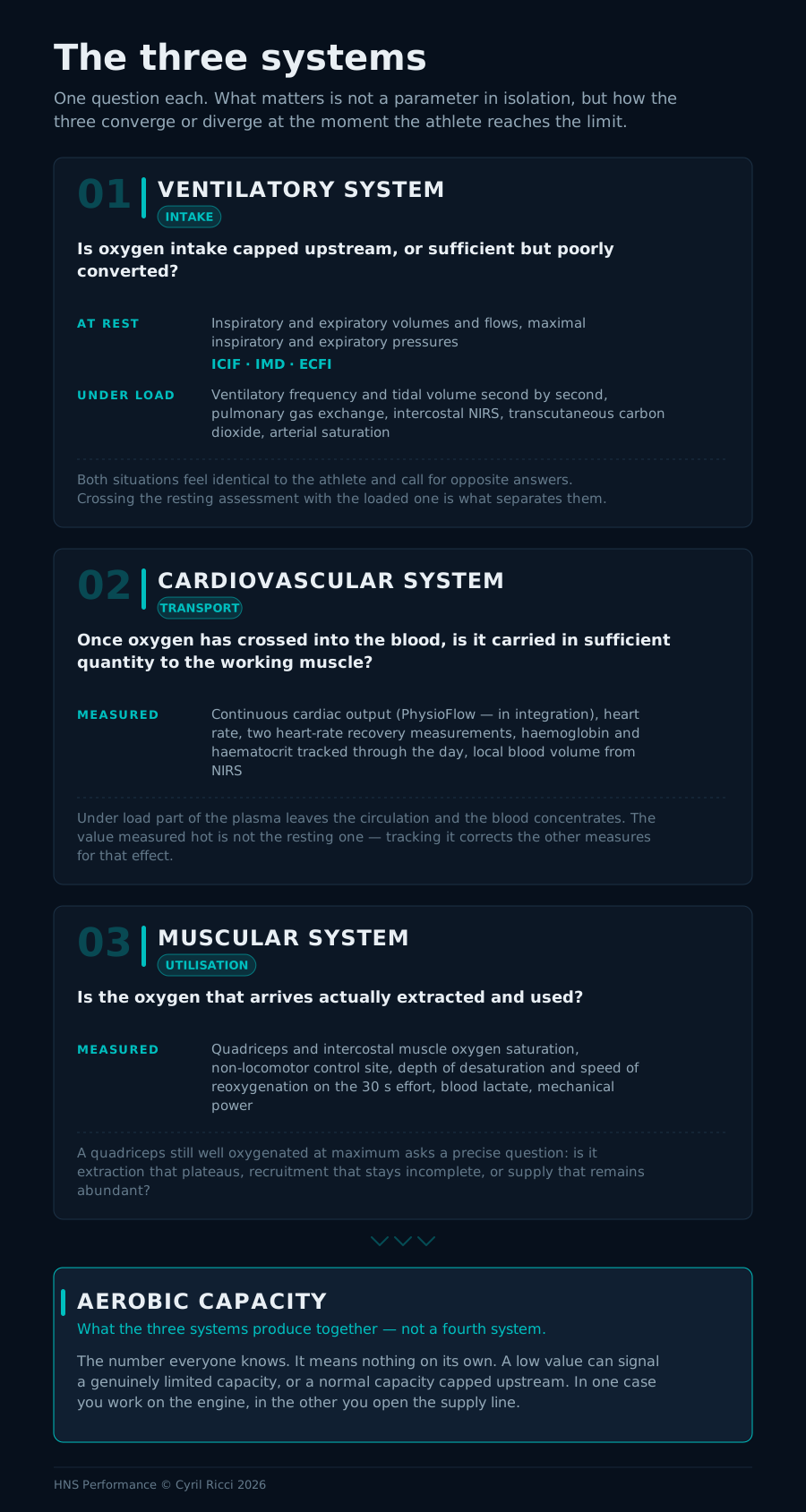
Profiling asks two different questions: what can the rider’s ventilatory system produce? and what does the rider actually deploy as intensity, posture and fatigue change?

The relevant limiter may sit in inspiratory flow, expiration, ventilatory frequency, tidal-volume sustainability, gas exchange, peripheral coupling—or in the transition between them. Training begins only after that hierarchy is made explicit.

The profiling pathway

01

Profile

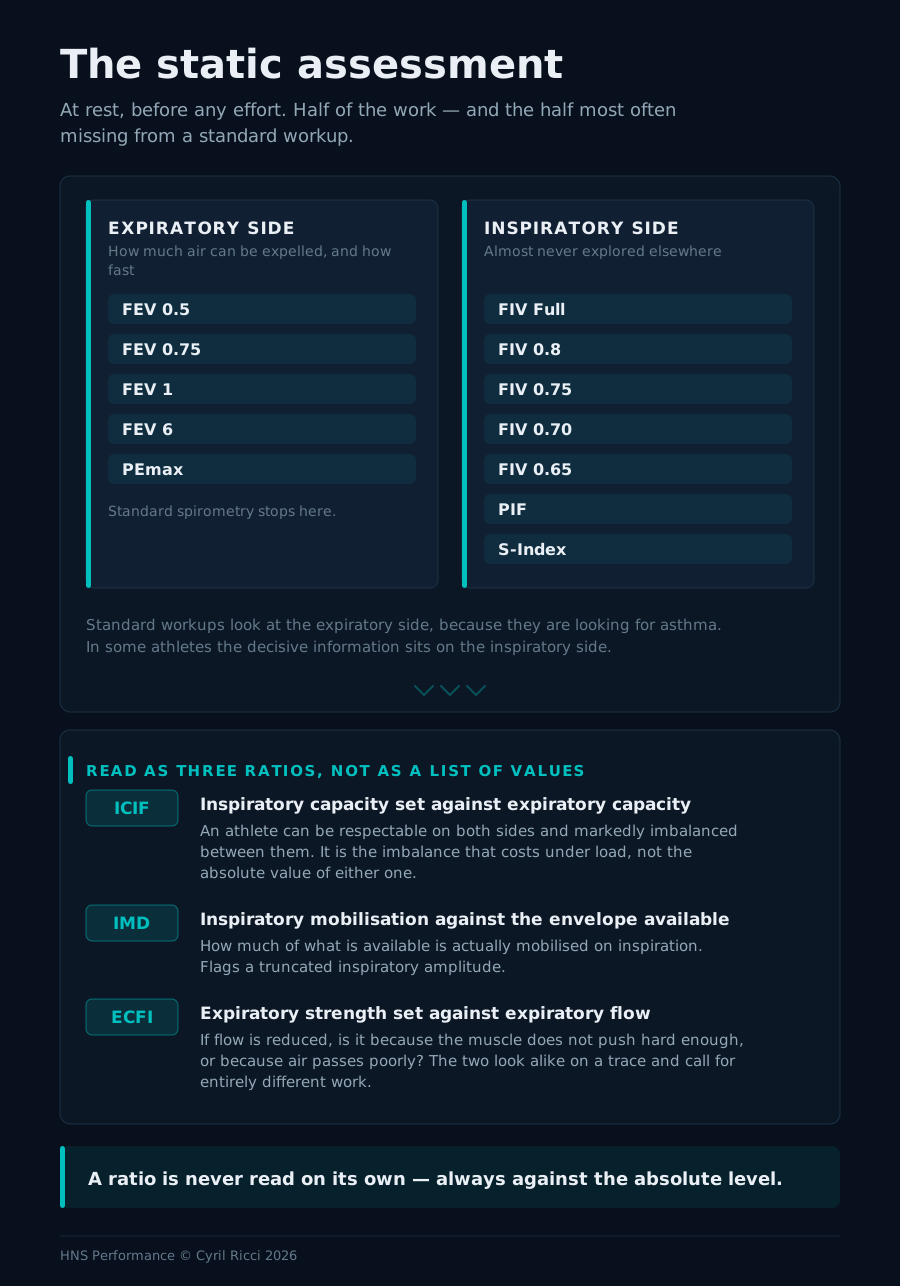
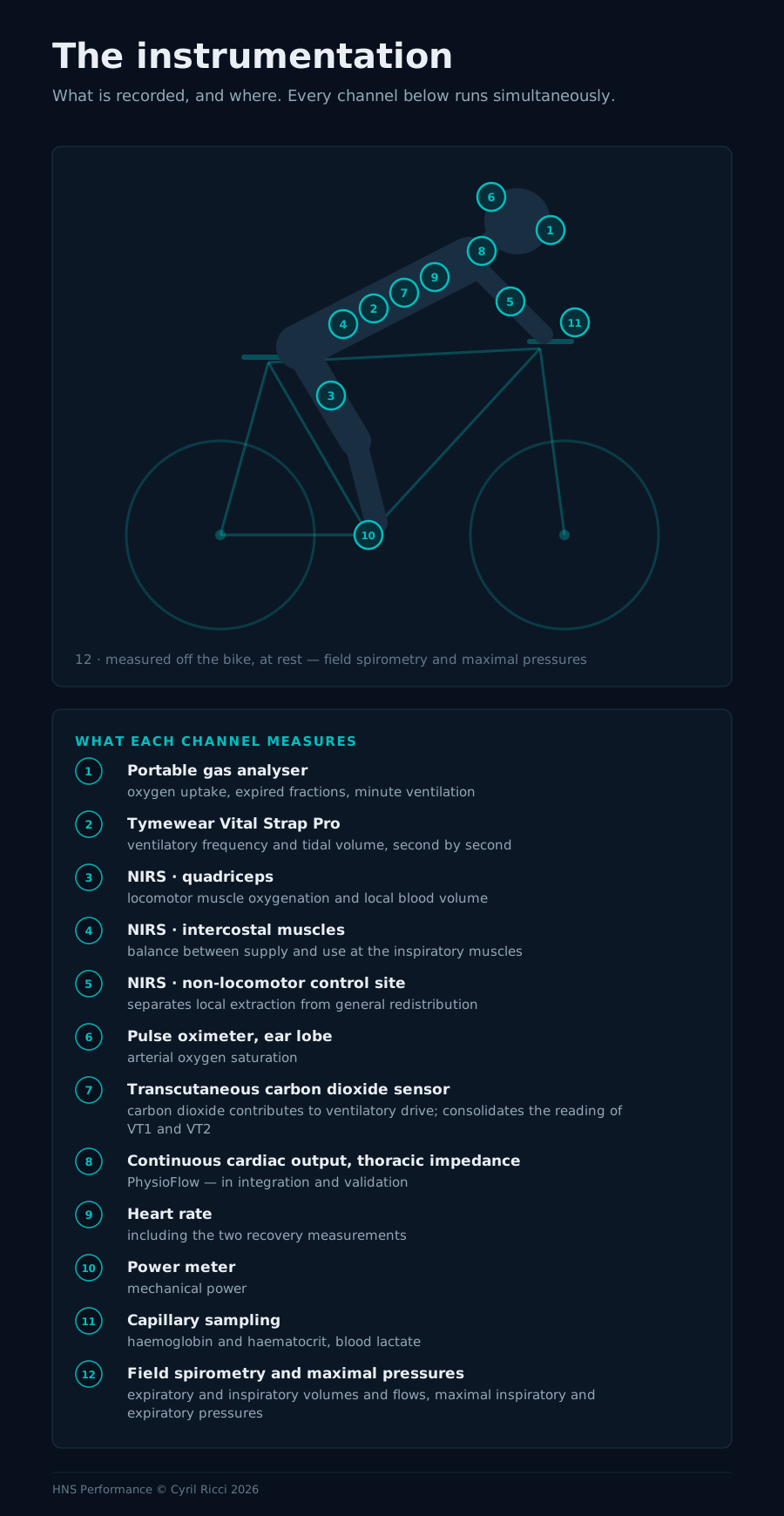
Build the controlled T0 baseline: spirometry, inspiratory and expiratory mechanics, ramp test, thresholds and system responses.

02

Analyse

Separate ventilatory capacity from the pattern actually deployed, then identify the probable performance discriminants.

03

Validate

Test whether position, gradient, route, heat, altitude and competitive posture reproduce—or change—the laboratory signal.

04

Decide

Classify VST as a priority, a secondary opportunity or not currently indicated. The output is an estimated margin, never a guarantee.

05

Prescribe

When indicated, define individual iRf / iTv / VE targets by intensity and route, plus BEFORE, DURING and AFTER strategies.

06

Transfer

Translate the analysis into rider cues, staff-readable priorities, field monitoring and successive recalibrations.

What is measured

Static reserve. Dynamic expression. One integrated reading.

No isolated score decides the conclusion. Each metric is interpreted in context, with its methodological limits stated in the staff report.

01

Controlled capacity

Static & functional

FEV₁ / FEV₆Expiratory capacity, ratio and post-exercise response
FIV by timeUsable inspiratory volume within the available inspiratory window
S-Index / MIPInspiratory strength and pressure reserve
MVV / IMDMechanical ceiling and dynamic demand
ICIFInspiratory capacity integration
ECFIExpiratory control and functional interpretation
02

Exercise response

Dynamic & systemic

Power × thresholdsWhat the rider produces at VT1, VT2 and high intensity
Rf / Tv / VEHow frequency, tidal volume and ventilation construct the response
Gas exchangeVO₂, EqO₂, FeO₂ and the efficiency of the ventilatory pattern
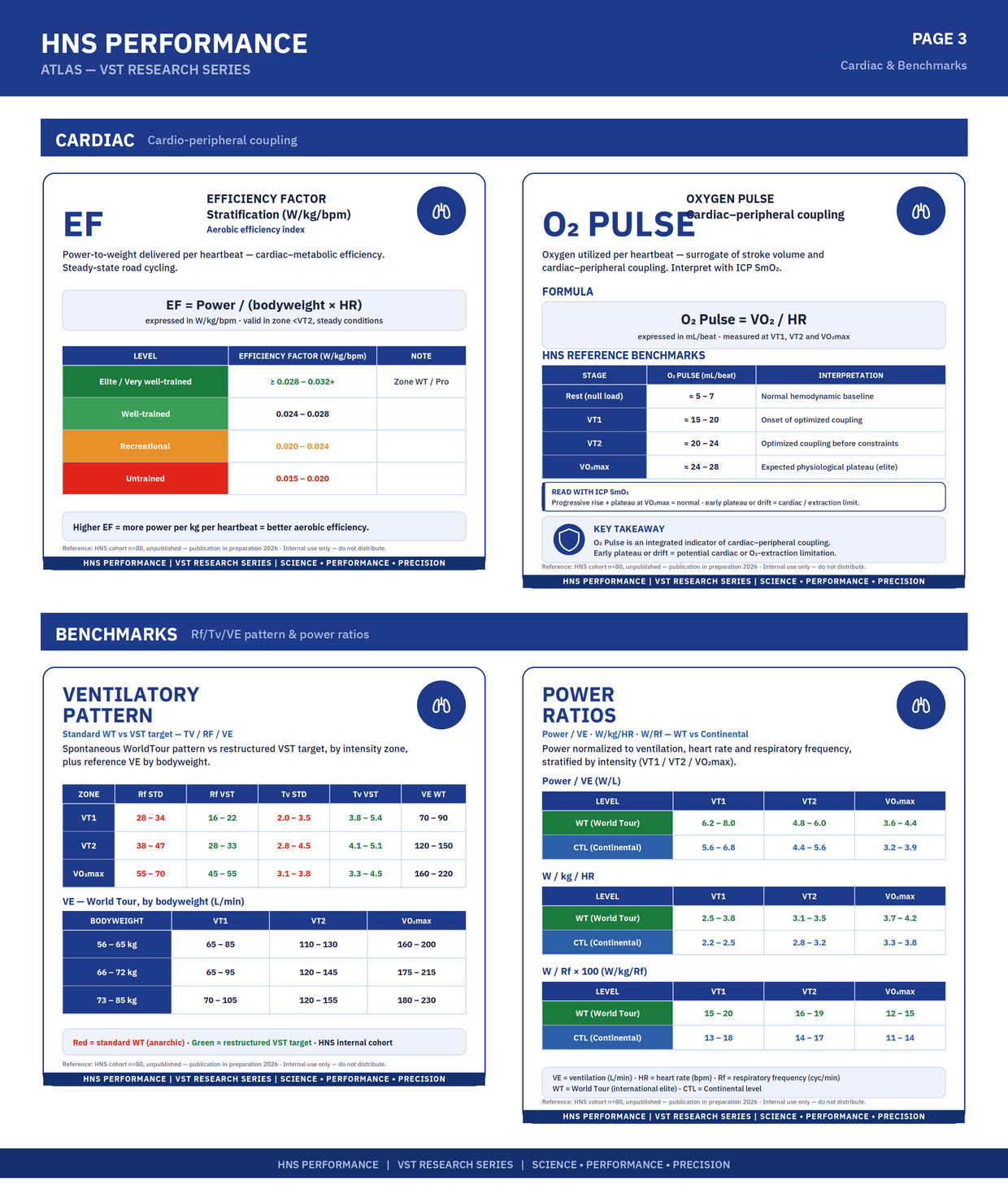
Cardiac responseHeart rate, O₂ pulse and central–ventilatory coupling
Peripheral oxygenationLocomotor SmO₂ / THb and redistribution when available
Environmental transferPosition, gradient, heat, altitude and accumulated fatigue

HNS Profiling Atlas

Proprietary indices made readable for performance staff.

The Atlas transforms the profiling dataset into a structured system-level reading. Every card states its formula, interpretation, benchmark source and validation boundary. Internal or provisional reference grids are identified as such—not presented as external consensus standards.

Full-size pages open on selection. HNS indices support integrated interpretation; no isolated index determines diagnosis or VST indication.

From profile to targets

The report does not stop at identifying the performance problem.

When the signal is robust, it becomes an individual operating framework: target frequency, target tidal volume, expected ventilation and preferred route by intensity zone.

ZONE TARGETSiRf · iTv · VE

Targets are tied to power domains and the rider’s available mechanical window.

ROUTE STRATEGYNasal → buccal

Route is prescribed by feasibility and intensity—not by a generic ventilatory doctrine.

COMPETITION LOGICBefore · During · After

Preparation, effort regulation and recovery are treated as one continuous strategy.

Operational output

The profile becomes a field prescription.

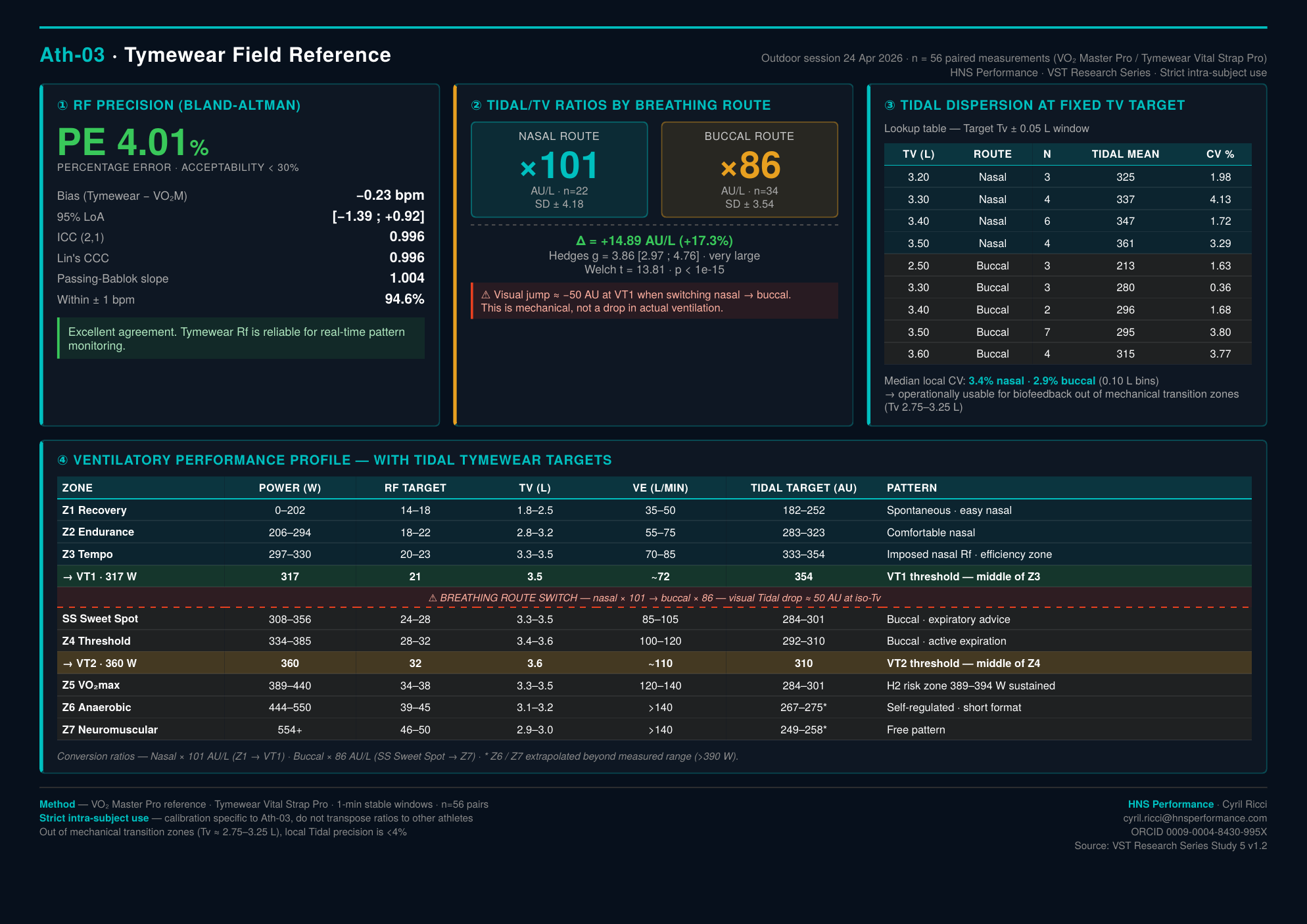
This anonymised Ath-03 reference shows how controlled measurement is converted into a usable Ventilatory Performance Profile: route-specific calibration, iRf / iTv / VE targets by intensity and an explicit ventilatory-pattern transition.

  • Identity replaced by a non-identifying athlete code.
  • Targets remain strictly intra-subject and non-transferable.
  • Every field target remains traceable to its measurement method.
Anonymised Ath-03 Ventilatory Performance Profile with Tymewear field targets
Ath-03 · anonymised field reference · strict intra-subject use

The decision

Profiling is a selection tool—not a sales funnel.

Priority

A clear, actionable ventilatory limiter or inefficient dynamic pattern is present and VST offers a plausible individual margin.

Secondary

A ventilatory opportunity exists, but another system or training priority should lead the performance plan.

Not indicated

The profile does not justify longitudinal VST at this stage. The rider leaves with the baseline and the reasons for the decision.

Staff deliverables

Evidence at two levels.

  • Complete technical reportMethods, data, interpretation, confidence level, limits and system-by-system hierarchy.
  • Operational staff summaryAsset · limiter · risk · training priority · next verification.
  • Individual prescriptionTargets and field cues only when VST is indicated.
INITIAL PROFILINGBuild the baseline

Controlled assessment, ecological validation and an integrated staff report.

WHEN VST IS INDICATEDTrain and recalibrate

Individual targets, field transfer, monitoring and progressive recalibration.

Discuss a profiling project
Scope boundary

HNS profiling is performance analysis, not medical diagnosis. Abnormal or clinically relevant findings remain under the authority of the team physician and medical staff.

Review the evidence base →